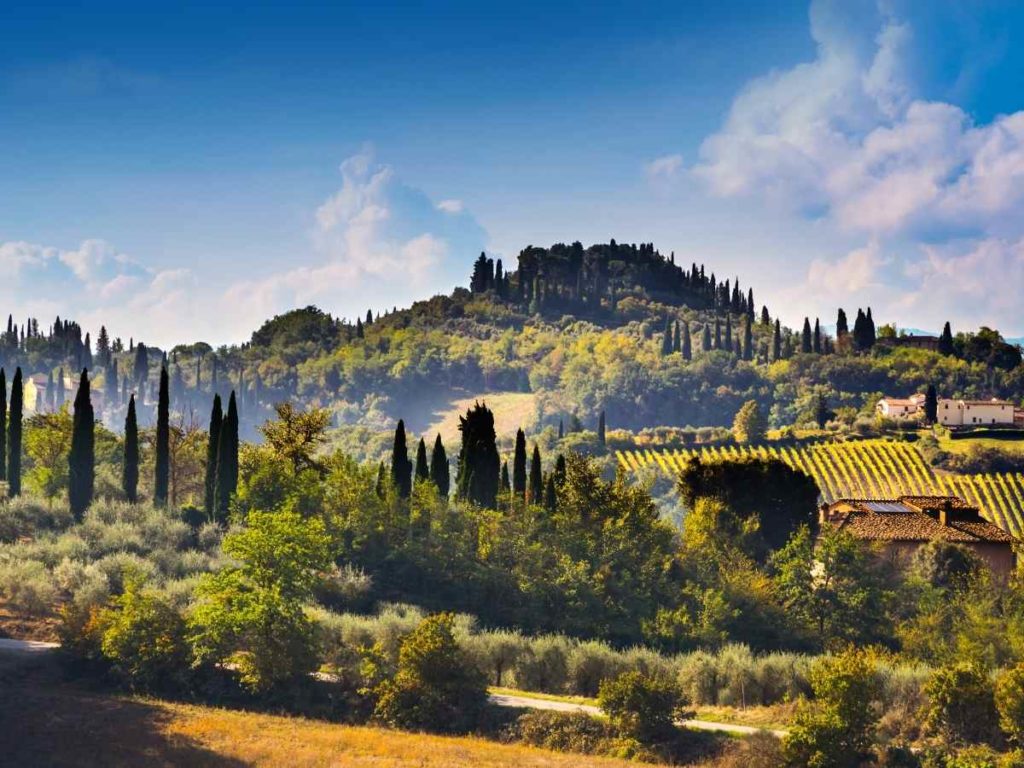
Among the rolling hills of the Mugello, centuries‑old olive trees stand as living presences, deeply rooted in both time and landscape. Their twisted trunks, shaped by wind and sun, tell silent stories of rural life, patience, and renewal. In Tuscany, the olive tree embodies the quiet strength of nature: resilient, enduring, and generous.
At Villa Campestri Olive Oil Resort, every root sinks into a culture that has turned olive oil into a ritual, a heritage to be protected and passed on.
The olive tree (Olea europaea) is one of the world’s oldest cultivated plants. Its origins date back more than 6,000 years to Asia Minor – modern‑day Turkey, Syria, and Palestine. From there, it followed the trade routes of the Mediterranean: first to Greece and the Aegean islands, then to southern Italy, before spreading northward during the Roman era.
In Tuscany, the olive took firm root during the early Middle Ages, becoming an essential part of both the agricultural and cultural landscape. Benedictine monasteries, small rural farms, and Renaissance villas all cultivated olives, producing a precious oil used not only in cooking but also for healing, lighting, and sacred rites. Planting and tending an olive tree has always demanded balance, with climate, soil, and season, an act of devotion that shaped generations of Tuscan farmers.
The region’s hilly terrain and mineral‑rich soils make cultivation more challenging, yet they also yield oils of remarkable character: green, robust, with notes of artichoke, almond, and freshly cut grass. To walk among Tuscany’s ancient olive trees today is to trace a living history, a dialogue between nature, culture, and time.

From sacred scripture to classical myth, the olive has carried a universal meaning. In the Book of Genesis, a dove returns to Noah with an olive branch, a sign that the waters have receded, that life can begin again. Since then, the olive has stood for peace and rebirth. In Christian tradition, it symbolizes spiritual renewal and consecration.
In Greek mythology, the first olive tree was the gift of the goddess Athena, who offered it to humankind after defeating Poseidon in their contest for the city that would become Athens, a symbol of wisdom, nourishment, and prosperity. And in the Tuscan countryside, the olive remains a lesson in patience and perseverance: it takes decades, sometimes centuries, to see its full generosity.
An ancient olive is the sum of all this, a witness that has survived frost and fire, wars and droughts, yet continues to bear fruit. Its presence reminds us that nature has a longer memory than we do, and caring for it is both privilege and duty. At Villa Campestri, we nurture our trees with respect and reverence, knowing that true luxury lies in time itself.
In Tuscany, extra‑virgin olive oil is part of the region’s cultural identity. As early as the Medici era, olive growing was widespread, encouraged by enlightened policies and a landscape perfectly suited to it. Over the centuries, Tuscany refined its methods and selected native cultivars such as Frantoio, Moraiolo, and Leccino.
Today, Tuscan oil bears the IGP (Protected Geographical Indication) label, ensuring that every stage of production takes place within the region. Yet the truest guarantee is in the taste itself: vibrant, fruity, with aromas of green almond, artichoke, and fresh grass. It is born from healthy olives, hand‑picked and cold‑pressed within 24 hours. A ritual more than a process.

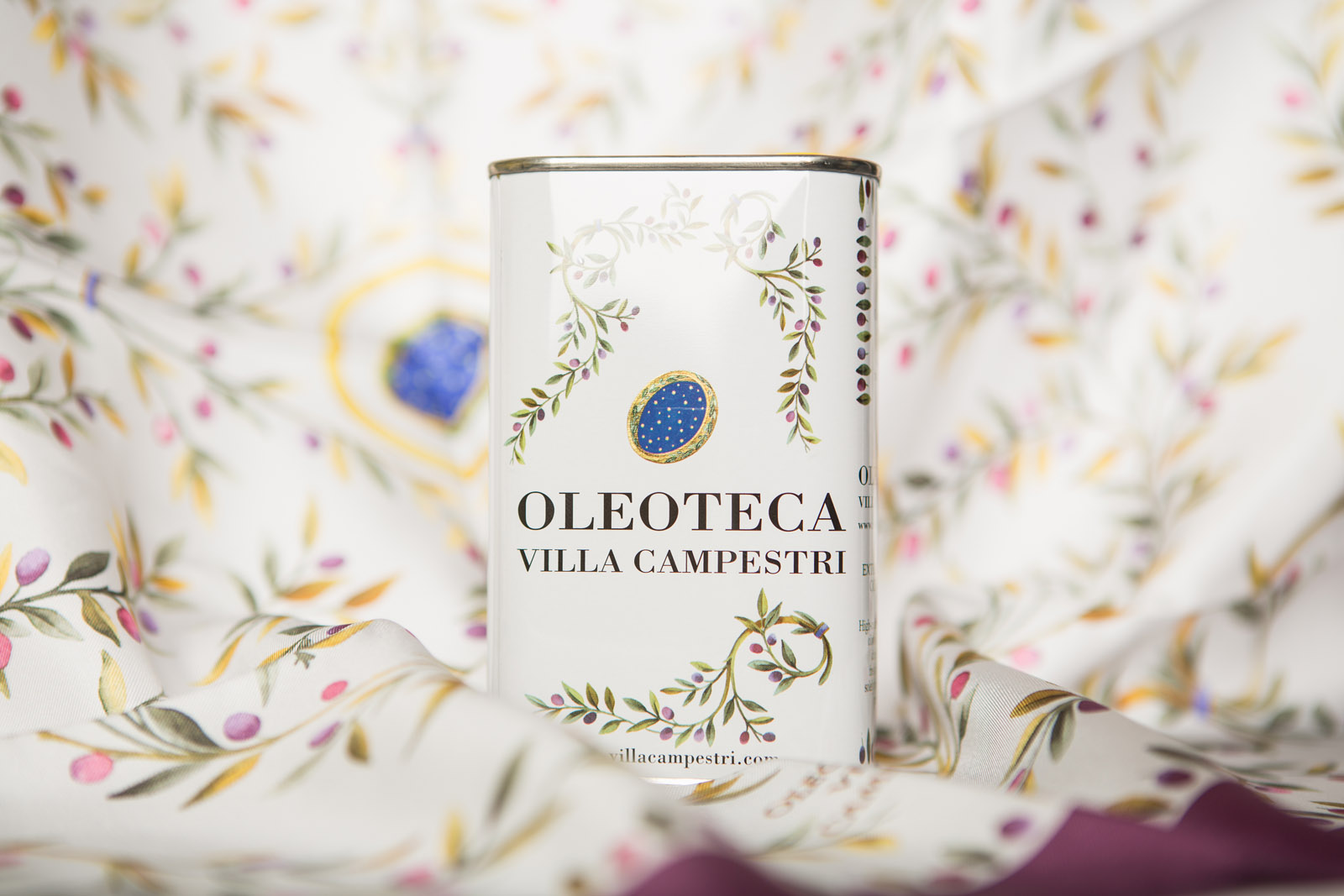
At Villa Campestri, this ritual unfolds in its purest form. The olive groves surrounding the estate produce an award‑winning oil, alive, aromatic, and deeply connected to the landscape it comes from. Our cultivation follows organic principles, respecting the natural cycles of the earth and the individuality of each tree. Every bottle we produce is a distillation of history, nature, and craftsmanship.
You can recognize an ancient olive tree by the way it carries time. Its trunk widens and hollows with age, its roots surface like living veins, its canopy opens into generous shade, perfect for pausing in silence. Above all, an old olive tree is a witness: it has seen generations harvest, prune, and wait. In parts of Tuscany, some trees are estimated to be over five hundred (even a thousand) years old. Many are now protected as natural monuments, others are mapped along educational and cultural trails.
At Villa Campestri, you can walk among them. In our centuries‑old park, each tree has its own story, carved by light and patience. Stop beneath one of their silver crowns and you’ll feel what words can’t convey, the quiet breath of time.
A stay at Villa Campestri is an invitation to experience the culture of the olive tree firsthand. Join our guided walks through the olive groves, where experts reveal the history and secrets of cultivation. Watch the harvest, follow the olives to the mill, and learn how fruit becomes oil.
Taste the differences between varieties, explore aromas, and discover how soil, altitude, and weather leave their mark.
As you walk among the rows and rest beneath an ancient tree, you may understand why the olive has outlived empires and seasons alike. And when, far from here, you catch the scent of freshly pressed oil, you’ll recognize it instantly, the fragrance of Tuscany that never leaves you.

In Tuscany, some words taste like freshly pressed olive oil and warm bread; others echo bedtime stories whispered by grandparents. They’re simple expressions, but rich in meaning, full of identity, character, and that deep-rooted spirit of a land that doesn’t pretend to be anything other than what it is.
During your stay at Villa Campestri Olive Oil Resort, you’ll likely hear us using these words often (forgive us, it’s just who we are). To help you feel right at home in the Mugello, we’ve picked out seven iconic Tuscan words
Discover them, try them out, carry them with you. Some words are like keys: they’ll bring you back to Tuscany, even from far away.
In Tuscany, buono (good) becomes bono. It may seem like a small change, but it carries weight. When someone says, “Questo pane è bono da morire” (“This bread is insanely good”), they’re not just talking about flavor, they’re celebrating it. The “u” drops, and the “o” takes its place: warmer, rounder, more honest. It’s a word that tastes of shared tables and simple pleasures.
Ganzo is a wildcard. It means cool, fun, clever, stylish, or sometimes just delightful or unexpected. You might hear: “Hai visto che vista da lassù? Ganzo, davvero.” (“Did you see the view from up there? So cool.”) It’s a word of lighthearted admiration. No fuss, just pure Tuscan charm.
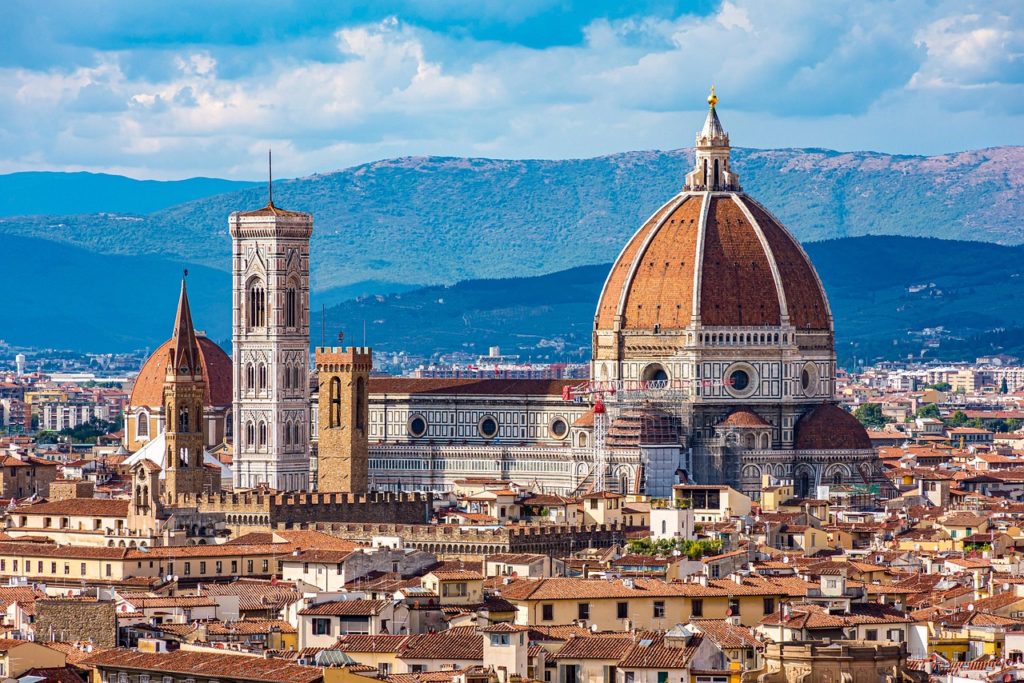
Possibly the most Tuscan word of them all. Bischero means fool, goofball, but in the most affectionate way. It’s a friendly tease. The word is thought to come from the Bischeri family of Florence, who, legend has it, refused to sell their land for the construction of the cathedral Santa Maria del Fiore, hoping for a better deal later. The city built around them anyway, and they ended up with nothing. Since then: bischero.
Tuscany’s traditional bread, known as pane sciocco, is made without salt. Originally, it was a way to dodge salt taxes. Today, it’s a culinary icon, neutral enough to pair beautifully with rich Tuscan flavors like olive oil, cured meats, and hearty soups. So if someone offers you pane sciocco, don’t take it as an insult. It’s heritage on a plate.
A refined old verb that means “to like,” but in a more personal, elegant way. It expresses taste, alignment, even a kind of harmony. “A me mi garba” is more than just a double pronoun, it’s a way of saying, “This speaks to me.” It’s less about approval, more about resonance.
A tignoso is someone stubborn, persistent, maybe a little annoying, but in Tuscany, that can be a compliment. It’s used to describe someone who won’t give up, who keeps pushing. Gritty, headstrong, determined. And yes, occasionally infuriating, but always respected.
Like bischero, but gentler. A grullo is a naive, lovable goof. The kind of person who falls for the same trick twice but still makes everyone smile. It’s the word a Tuscan grandparent might use while laughing at you lovingly.
Staying at Villa Campestri means living in a place where language is woven into the landscape. Tuscan words are tools to feel welcome, understood, and at home. In a gesture, in a dish, in a joke among the olive trees, the language becomes experience.
And when you catch yourself saying bono or a me mi garba, you’ll know a piece of Tuscany has found its way into your heart.

In the Mugello, wonder lives in the silence between the fields, broken only by the rustle of wind through the olive trees. It lingers in the cool shade of cobbled alleys that still echo with generations past. And it gathers in the squares of small villages, where days unfold in quiet conversation over market stalls brimming with local produce.
Here, time feels like it has chosen to slow down. To explore the villages of the Mugello is to get closer to a truer, quieter Tuscany, one that reveals its beauty only to those willing to welcome it slowly.
In the lines that follow, we’ll take you through five hidden gems in the heart of the Mugello, all just a short distance from Villa Campestri Olive Oil Resort. Each with its own soul, voice, and rhythm, but all connected by a thread that ties them deeply to the land.
Just 10 minutes from Villa Campestri, Ronta is a small village nestled among chestnut woods and the gentle curves of the Apennines. In the early 1900s, it was a popular summer retreat for Florentine families in search of fresh air and peace. Walking through its historic center, you’ll find Art Nouveau facades, stone fountains, a Romanesque church, and forest trails inviting you to venture further.
An ideal starting point for nature hikes (Monte Giovi, Monte Senario) and a haven of tranquillity for those seeking calm.
Just under 20 minutes from Villa Campestri, Grezzano is tiny, but full of charm. It’s home to the Casa d’Erci Museum of Rural Life, an immersive journey through the tools, spaces, and traditions of Tuscan farming culture. Surrounded by rolling fields, the village still moves to the rhythm of the land, with stone houses, old farmyards, and a quiet authenticity that feels almost suspended in time.
It’s the perfect stop for anyone who wants to discover the most genuine side of Tuscany, handmade goods, local producers, and a deep connection to the land. While you’re here, don’t miss the chance to take home some olive oil, honey, or other farm-fresh products from the area.
About 25 minutes from the resort, Gattaia feels like time has paused. Perched between sky and mountain, this tiny cluster of stone houses opens onto wide, breathtaking views. No cafés, no shops: only the wind in the chestnut trees and the stories of elders sitting on stone steps.
For those in search of stillness, solitude, or a picnic in nature with panoramic views all around.
Roughly 30 minutes from Villa Campestri, Corella is among the most evocative villages in the Mugello. It was once home to Dino Compagni, the chronicler of Florence, during his exile. The stone buildings whisper of centuries past, and the surrounding landscape feels like it belongs in a line of verse-wild, stirring, almost sacred.
Why visit? To immerse yourself in the medieval soul of Tuscany, among legends and ancient forests. From here, the CAI hiking trail leads to the secluded hermitage of Gamogna.
More remote and rugged, Casaglia lies about 40 minutes away. This tiny village marks the edge of the wildest part of the Mugello. From its little square, some of the area’s most beautiful hiking trails begin, toward Monte Lavane, the Colla Pass, and the Valley of Hell (Valle dell’Inferno).
Perfect to walk deep into unspoiled nature and return, content and tired, to the welcoming embrace of Villa Campestri.

Whether you visit one village or wander through them all, Villa Campestri Olive Oil Resort is the perfect base. After a day of stone alleys and rolling hills, our estate welcomes you back with the timeless beauty of Tuscany: Renaissance furnishings that whisper of history, elegant rooms steeped in the charm of a bygone era, and views that look like they’ve been painted by hand.
Each morning begins with an invitation to explore. Each evening feels like coming home, surrounded by beauty, peace, and the living memory of this land.


There’s an authentic way to discover Tuscany: get your hands in the soil, pick what the season offers, and turn it into something to share at the table.
Farm‑to‑table is more than a trend: it’s a way of life, rooted in respect, tradition, and honest flavors.
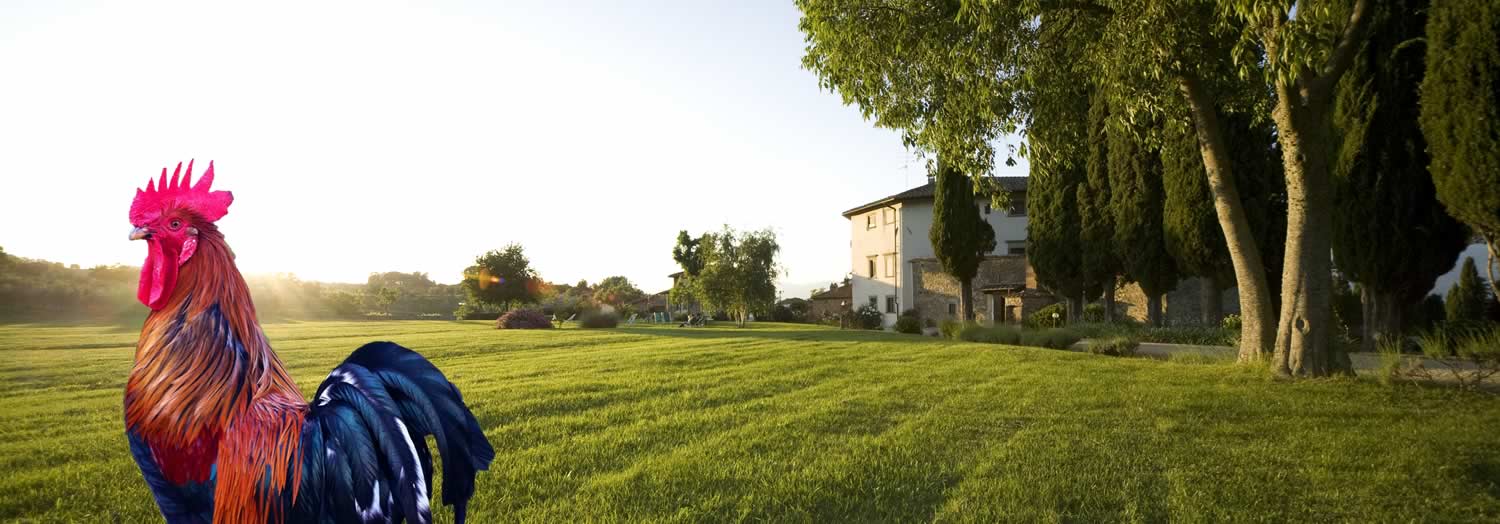
At Villa Campestri Olive Oil Resort, it’s a daily ritual. Vegetables are harvested from the garden just steps from the kitchen. Herbs thrive in the little patch overlooking the hills. Fresh eggs arrive straight from our chicken coop. And the oil, the liquid soul of the resort, is our own, cold-pressed just hours after the olives are picked.
Picture this: a wicker basket in hand, apron tied, walking shoes on. The day begins in the garden, among the intense aromas of fresh herbs and the vibrant greens of seasonal vegetables. Zucchinis, tomatoes, Tuscan kale, all handpicked. A quick visit to the henhouse. A quiet conversation with the land.
Then it’s back to the kitchen. The basket is emptied onto the table and the inspiration begins. Our Chef guides every move with passion, chopping, sautéing, seasoning with our signature olive oil. Each dish is a tribute to Tuscan tradition, reimagined through the lens of what the season provides. Zucchini cream, savory tarts, toasted bread with kale and new oil, and finally, the best part: tasting together. It’s a moment of warmth and connection where cooking becomes shared joy.

This isn’t just a cooking class. It’s a full sensory experience, where food isn’t simply consumed, it’s understood, touched, created. You’ll learn to follow nature’s rhythm, to choose ripe ingredients, and to make the most of what’s at hand, without forcing, without waste.
Every guest becomes an active part of an ancient yet deeply contemporary cycle: growing, cooking, tasting. All this, surrounded by natural beauty, centuries-old olive trees, lush woods, and rolling fields that slope gently into the Mugello valley.
Want to harvest and cook with us? We’re waiting for you.
After harvesting and cooking, it’s time to taste. Here, the table is not the end of the journey, it’s where the story begins. You eat outdoors, beneath a pergola, with a view of the olive groves. You chat with those who grow the food, you cook alongside those who know its secrets, you discover new flavors while staying grounded in ancient roots.
It’s a philosophy you can breathe in every detail, in the sourdough bread, the sun-ripened tomatoes, and the olive oil that enhances every dish with character and love.

The “Picked and Cooked” course runs from mid-May to the end of October.
It includes hands-on participation in every phase of the experience and is available by reservation only, for a minimum of two guests.
Those who join leave with far more than a recipe, they take home a new way of seeing food, the earth, and time.
Among the rolling hills of the Mugello, centuries‑old olive trees stand as living presences, deeply rooted in both time and landscape. Their twisted trunks, shaped by wind and sun, tell silent stories of rural life, patience, and renewal. In Tuscany, the olive tree embodies the quiet strength of nature: resilient, enduring, and generous. At Villa Campestri Olive Oil Resort, […]
In Tuscany, some words taste like freshly pressed olive oil and warm bread; others echo bedtime stories whispered by grandparents. They’re simple expressions, but rich in meaning, full of identity, character, and that deep-rooted spirit of a land that doesn’t pretend to be anything other than what it is. During your stay at Villa Campestri […]
In the Mugello, wonder lives in the silence between the fields, broken only by the rustle of wind through the olive trees. It lingers in the cool shade of cobbled alleys that still echo with generations past. And it gathers in the squares of small villages, where days unfold in quiet conversation over market stalls […]
There’s an authentic way to discover Tuscany: get your hands in the soil, pick what the season offers, and turn it into something to share at the table.Farm‑to‑table is more than a trend: it’s a way of life, rooted in respect, tradition, and honest flavors. At Villa Campestri Olive Oil Resort, it’s a daily ritual. […]
Some places only reveal themselves step by step. The Mugello, tucked away in the Tuscan hills, is one of them: gently unfolding landscapes, trails weaving through olive groves and woodlands, villages where time seems to slow down. At Villa Campestri, we know this rhythm well. We often see our guests set off with backpacks in […]
A good extra virgin olive oil can’t be judged by its color or its price tag. Labels tend to look alike, prices vary with no clear logic, and technical terms often add more confusion than clarity. Some rely on instinct, or go for the most familiar brand. Others choose based on packaging or promotional claims. […]
There’s one image that captures the soul of Tuscany more than any other: a row of cypress trees standing tall against the sky, stretching across gentle hills and ancient silences. These green sentinels are the true keepers of the land, guiding your gaze along dusty country roads, marking the edges of old estates, tracing the […]
In Tuscany, the land holds a secret: natural springs that rise warm from deep underground, carrying with them the gift of well-being. Set among rolling hills and lush green landscapes, these natural hot springs are peaceful sanctuaries, places where the body finds renewal and the mind melts into stillness. Praised as far back as Etruscan […]