Welcome to our Blog
Monteriggioni: what to see and where to eat

In the heart of the “Montagnola Senese”, a hilly area that embellishes the hinterland of the province of Siena, stands a village that seems to have stopped in the time of fairy tales. Monteriggioni, a few houses surrounded by a circular wall dotted with watchtowers. From above it looks like a castle of enormous dimensions, instead it is one of the few remaining witnesses of the era of medieval fortified municipalities. Visiting it is like immersing yourself in a time and dimension created by the mind of an original artist!
(more…)Mugello restaurants: a complete guide
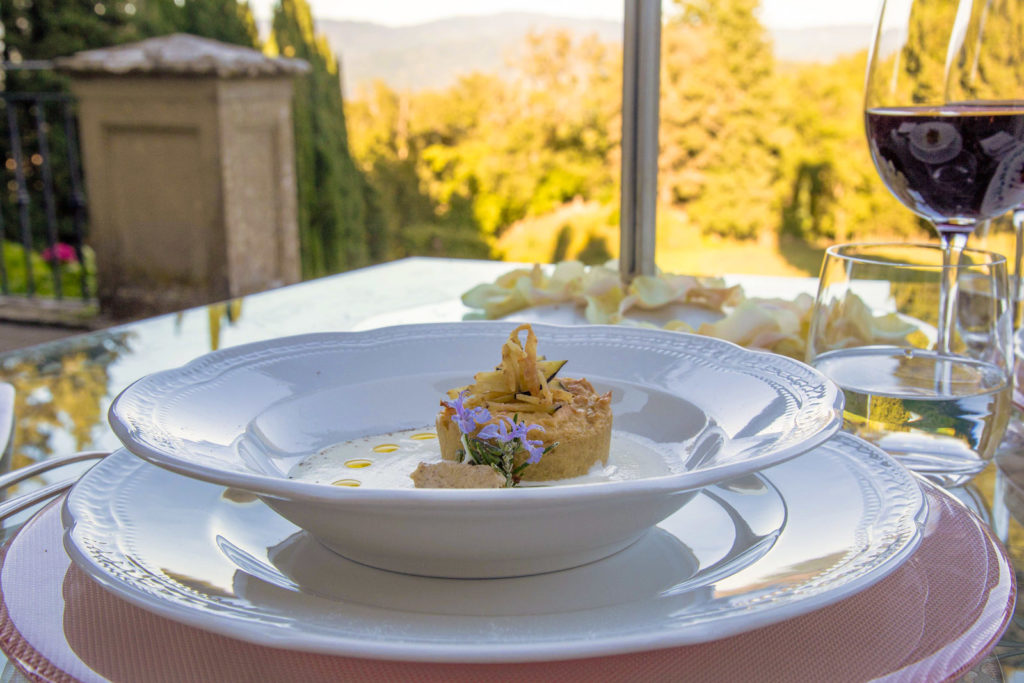
The restaurants of Mugello are one of the main attractions for tourists and visitors to the various villages that this area located north of Florence offers.
(more…)Museums in Florence with dogs: dog sitter to entertain 4-legged friends
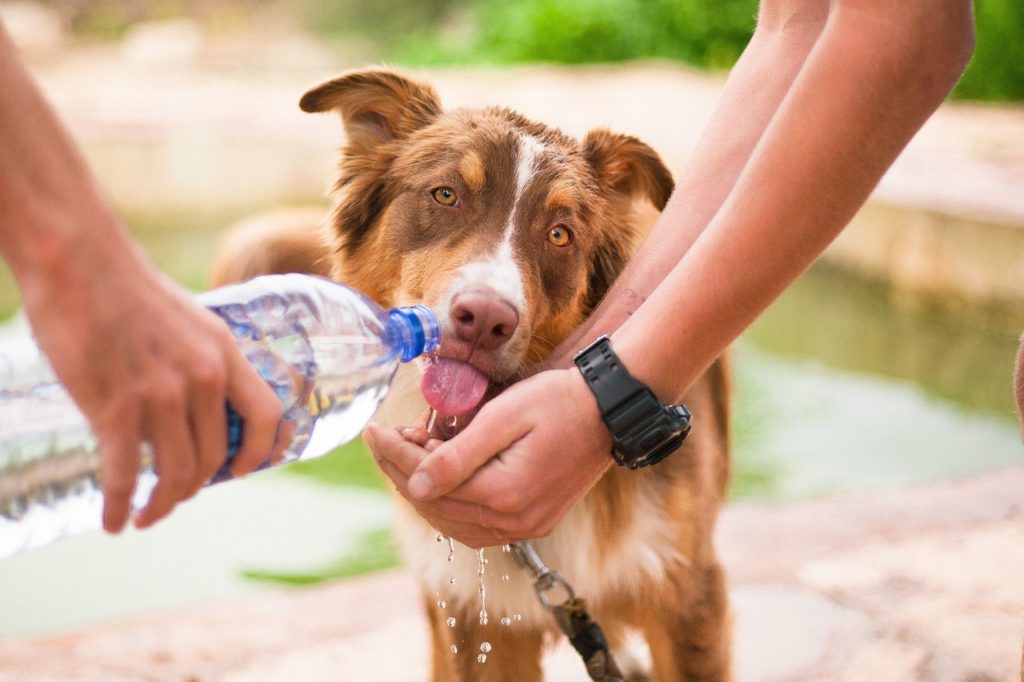
Visiting the museums in Florence together with your dog paws is finally possible. In fact, there has never been a rule that forbids the access of visitors in the company of their 4-legged friends. In fact, according to what is established by the veterinary police regulations, it is possible to bring your animals into places open to the public, simply by equipping them with a leash and muzzle. However, many structures have never endorsed this regulatory principle.
(more…)Falterona Mount: the Source of the Arno

The Arno is the main river in Tuscany and has a length of 241 km. It is the eighth longest river in Italy, but the second in the ranking by extension, after the Tiber, if we consider peninsular Italy. The source of the Arno river, also known as “Capo d’Arno”, is located on Monte Falterona, in correspondence with the municipality of Pratovecchio Stia, at a height of 1 358 meters.
At this point, just to point out the matter, there is a plaque with the verses of the 14th canto of the Purgatory of the Divine Comedy by Dante Alighieri engraved on it. Mount Falterona, with its 1654 m in height, is the second highest peak in the Tuscan-Romagna Apennines. The first is Mount Falco, with a height of 1658 m. The Falterona is located in the Casentinesi Forests and is part of the National Park of the Casentinesi Forests, born in 1993.
(more…)Quick Booking snippet

In the heart of the “Montagnola Senese”, a hilly area that embellishes the hinterland of the province of Siena, stands a village that seems to have stopped in the time of fairy tales. Monteriggioni, a few houses surrounded by a circular wall dotted with watchtowers. From above it looks like a castle of enormous dimensions, […]
The restaurants of Mugello are one of the main attractions for tourists and visitors to the various villages that this area located north of Florence offers.
Visiting the museums in Florence together with your dog paws is finally possible. In fact, there has never been a rule that forbids the access of visitors in the company of their 4-legged friends. In fact, according to what is established by the veterinary police regulations, it is possible to bring your animals into places […]
The Arno is the main river in Tuscany and has a length of 241 km. It is the eighth longest river in Italy, but the second in the ranking by extension, after the Tiber, if we consider peninsular Italy. The source of the Arno river, also known as “Capo d’Arno”, is located on Monte Falterona, […]
The Tuscan rice fritters, also known as “Frittelle di San Giuseppe”, together with the Zeppole are the traditional dessert of Father’s Day. At the same time, being a fried dessert, it is highly sought after and proposed in the most renowned restaurants in Italy. The origins of the Tuscan rice fritters date back to the […]
Among the great works of medieval European sacred architecture, the cathedral of Siena certainly deserves a place of honor. The first part of the construction was probably built in the second half of the 1100s, if we give credit to later reports that speak of its consecration in 1179 by Pope Alexander III, after the […]
Michelangelo’s David is one of the most important sculptures in the Italian and international art scene and represents the symbol of masculine virility and beauty. This sculpture, made of marble by the famous Michelangelo Buonarroti, between 1501 and 1504, is kept in the Accademia Gallery in Florence. The marble statue evokes the biblical character David […]
Who doesn’t know Pinocchio? Indeed, perhaps the wooden puppet was best known to children a few generations ago, but the classic Disney cartoon has ensured that it is not forgotten, even in this digital age. It must also be said that the Pinocchio that many have in mind is just that of Disney, which is […]